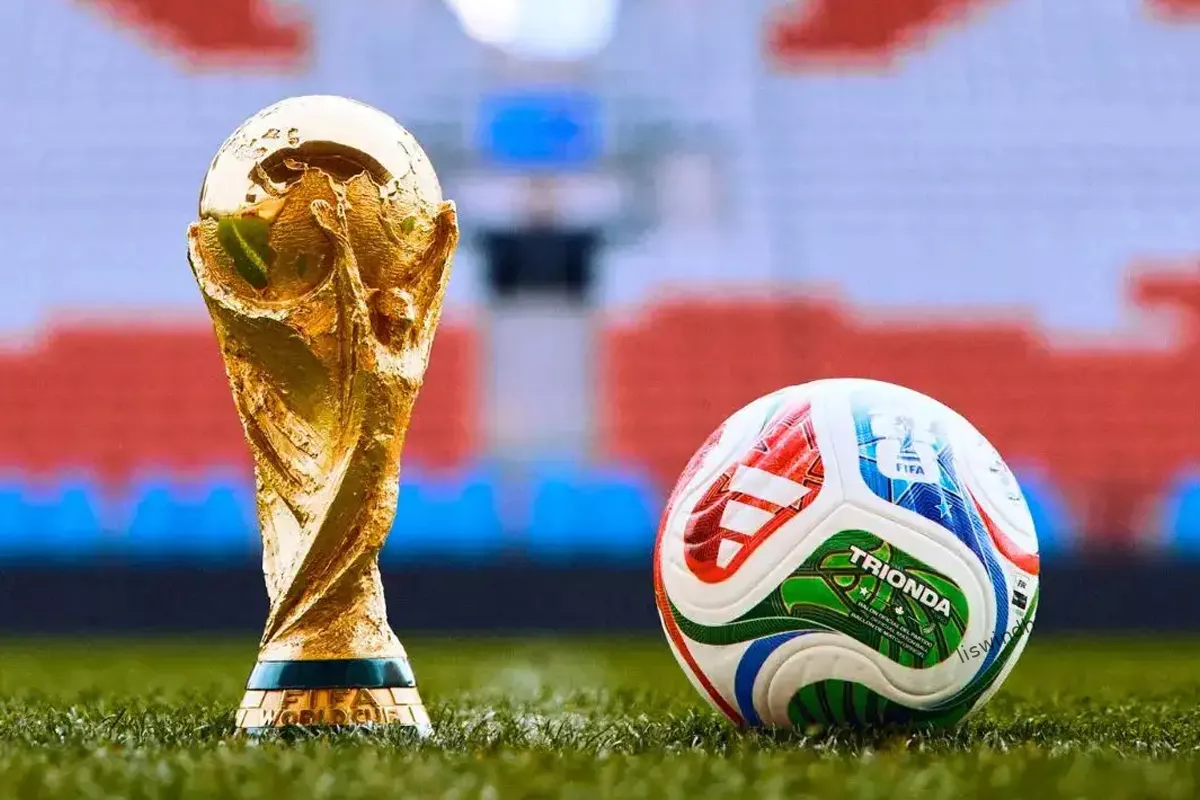
The anticipation is palpable as the world prepares for the biggest FIFA World Cup™ ever. The 2026 edition, hosted by Canada, Mexico, and the United States, is breaking all the molds. As we build towards the June 11, 2026 kickoff, the global football community is already buzzing with news, debates, and preparations.
This blog will guide you through everything you need to know: the groundbreaking format, the nations competing, the electric fan culture, and the unique opportunities this historic tournament presents.
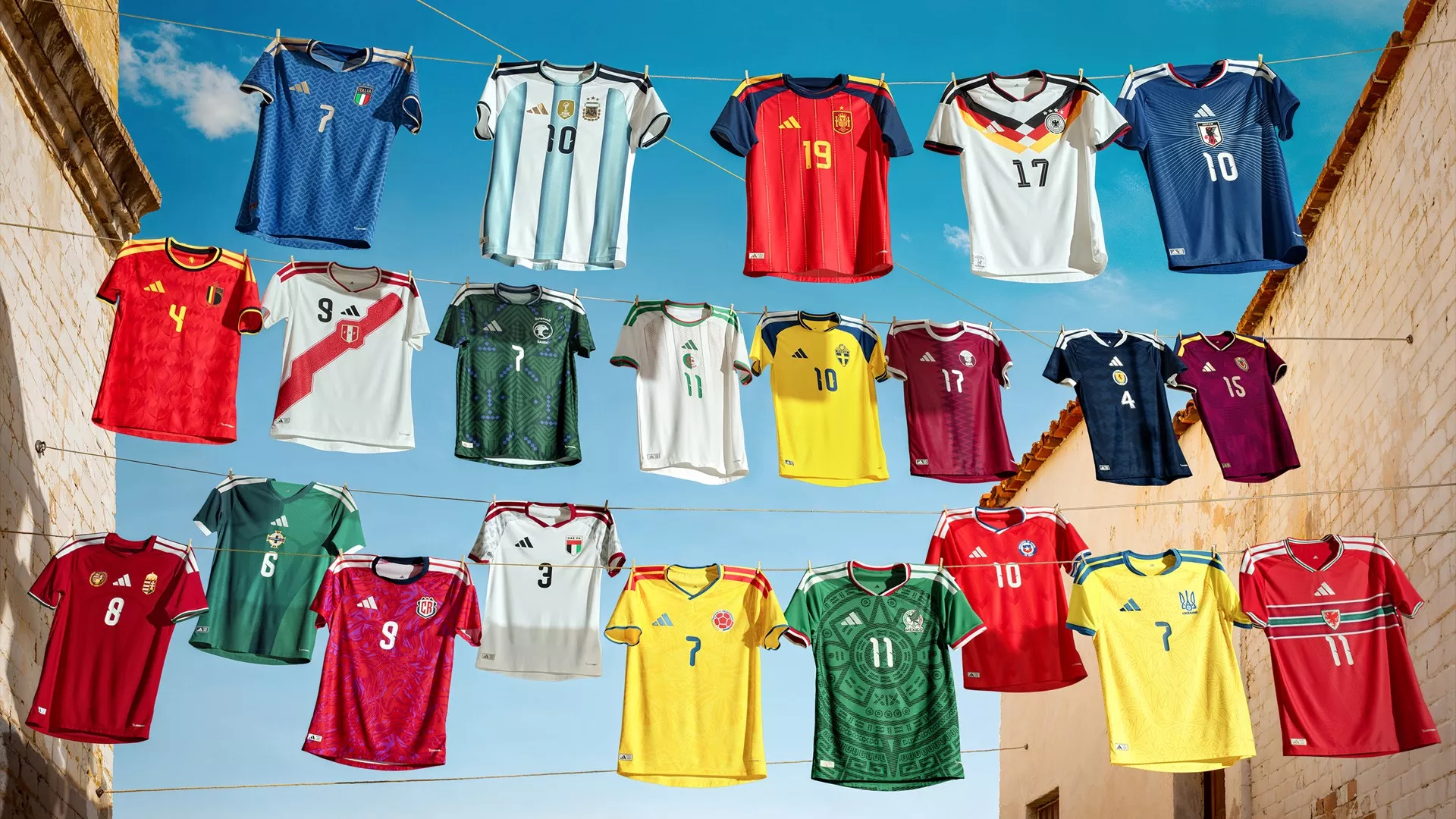
The most significant change for 2026 is the expansion from 32 to 48 participating teams. This landmark decision has opened the door for more nations to compete on the world's biggest sporting stage, promising a more diverse and inclusive global festival of football.
It will also be the first World Cup jointly hosted by three nations. Fans will experience the unique cultures of North America while witnessing the game's best across iconic stadiums in these countries.
As of late 2025, 42 of the 48 spots have been filled. The powerhouses of world football have mostly secured their places, setting the stage for a thrilling competition.
Qualified Teams by Confederation:
· Europe (12 teams): Traditional giants like England, France, Spain, Germany, and reigning champions Argentina are all set.
· Asia (8 teams): Japan, South Korea, Iran, and Saudi Arabia lead a strong contingent.
· Africa (9 teams): Morocco, Senegal, and Egypt are among the qualifiers.
· South America (6 teams): Brazil, Uruguay, and Colombia have advanced.
· North America (3 host nations + 3 qualifiers): The hosts (USA, Canada, Mexico) are joined by Panama, and debutants like the tiny island of Curaçao, which will become the smallest nation by population ever to compete.
· Oceania (1 team): New Zealand.
The final six places will be decided through tense playoff tournaments in March 2026. This includes a European playoff featuring major nations like Italy and Denmark, and a global playoff with teams from Asia, Africa, and other confederations.
The World Cup is nothing without its fans. Their passion transcends the 90 minutes on the pitch, creating a vibrant, global culture.
· The Digital Fan Experience: Today's fans, especially younger generations, engage with the World Cup differently. They are digital natives. A survey during the last World Cup highlighted that over 70% of fans use their phones while watching matches—sharing reactions, watching short highlights, and engaging in social conversations. Platforms offering creative short videos have seen explosive growth, with one reporting 6.7 billion views from 770 million users during the tournament.
· Stories Beyond the Score: Fans are deeply drawn to the human stories and cultural moments. Viral narratives from past tournaments—like a team cleaning their locker room or players having unique part-time jobs—capture the global imagination as much as the goals. The 2022 World Cup was widely seen as a poignant farewell to legendary players like Lionel Messi and Cristiano Ronaldo, adding an emotional layer that resonated with millions.
· A Glimpse of What's to Come: The 2025 FIFA Club World Cup in the U.S. offered a preview of the fan excitement coming in 2026. Over 1.6 million fans attended group stage matches, with supporters from clubs like Boca Juniors and Palmeiras bringing incredible energy to host cities. As one German fan noted, the chance to "see all the amazing stadiums and meet people from all over the world" is the primary draw.
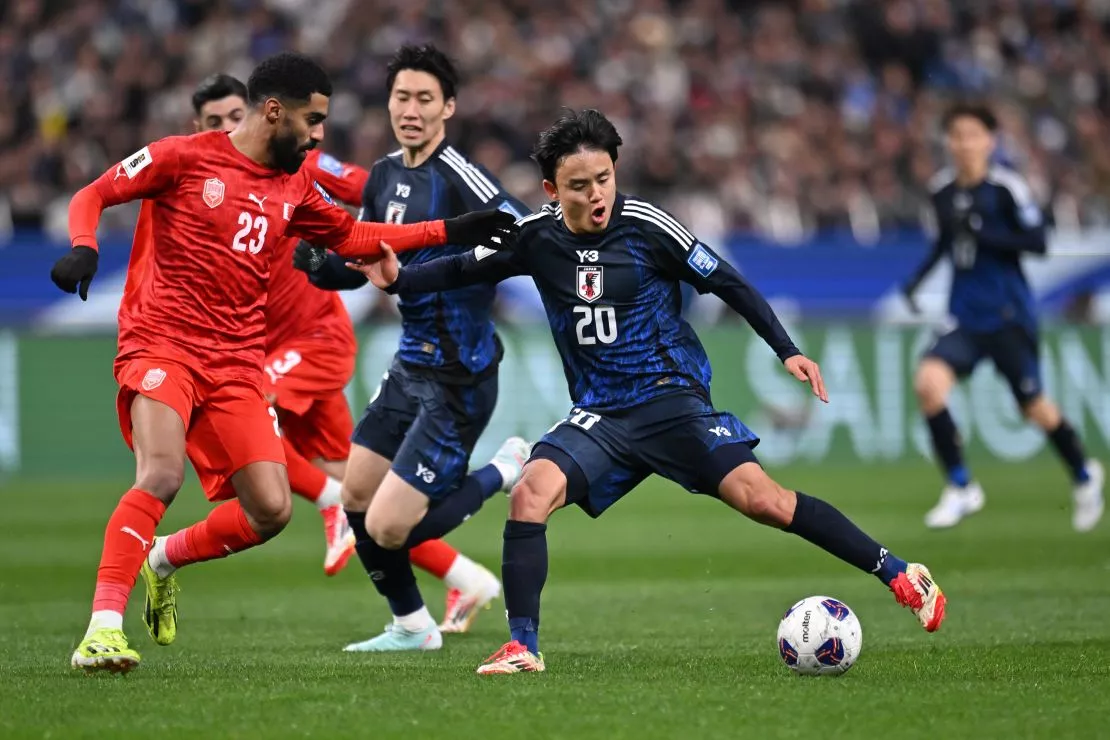
With demand expected to be unprecedented, FIFA has introduced new systems for securing your spot.
A notable innovation is the sale of "Ticket Purchase Rights" through the FIFA Collect digital platform. For a significant upfront fee (ranging from a few hundred to several thousand dollars), fans can buy a digital token that guarantees them the right to purchase a ticket for a specific match or city when they go on general sale. This has already generated tens of millions of dollars in advanced sales. While controversial to some, FIFA states this helps "democratize access" and test market demand.
The expanded 2026 format means more matches, more potential for "Cinderella stories," and more strategic complexity. The concept of "groups of death" will become even more dramatic. For instance, a powerhouse like Italy, if it qualifies through the playoffs, is already confirmed to be placed in the lowest Pot 4 for the draw, making any group it enters instantly treacherous.
To understand the level of play, look at recent global events. The 2025 Club World Cup saw dominant performances by European giants like Manchester City and Real Madrid, while also highlighting the growing competitive spirit from other regions, with Saudi Arabia's Al Hilal being the last Asian club standing.
To stay on top of all things 2026 World Cup, use these key search terms:
· 2026 World Cup tickets
· World Cup 2026 qualified teams
· USA Canada Mexico World Cup
· World Cup 48 teams format
· FIFA World Cup 2026 schedule
· World Cup playoff matches 2026
The countdown is on. The 2026 FIFA World Cup is set to be a historic celebration of sport, culture, and global unity. Whether you're planning a once-in-a-lifetime trip to a host city or preparing to cheer from home, the beautiful game is ready to bring us all together once more.
Are you planning to attend the 2026 World Cup, or which team are you most excited to watch? Share your thoughts and preparations in the comments below!