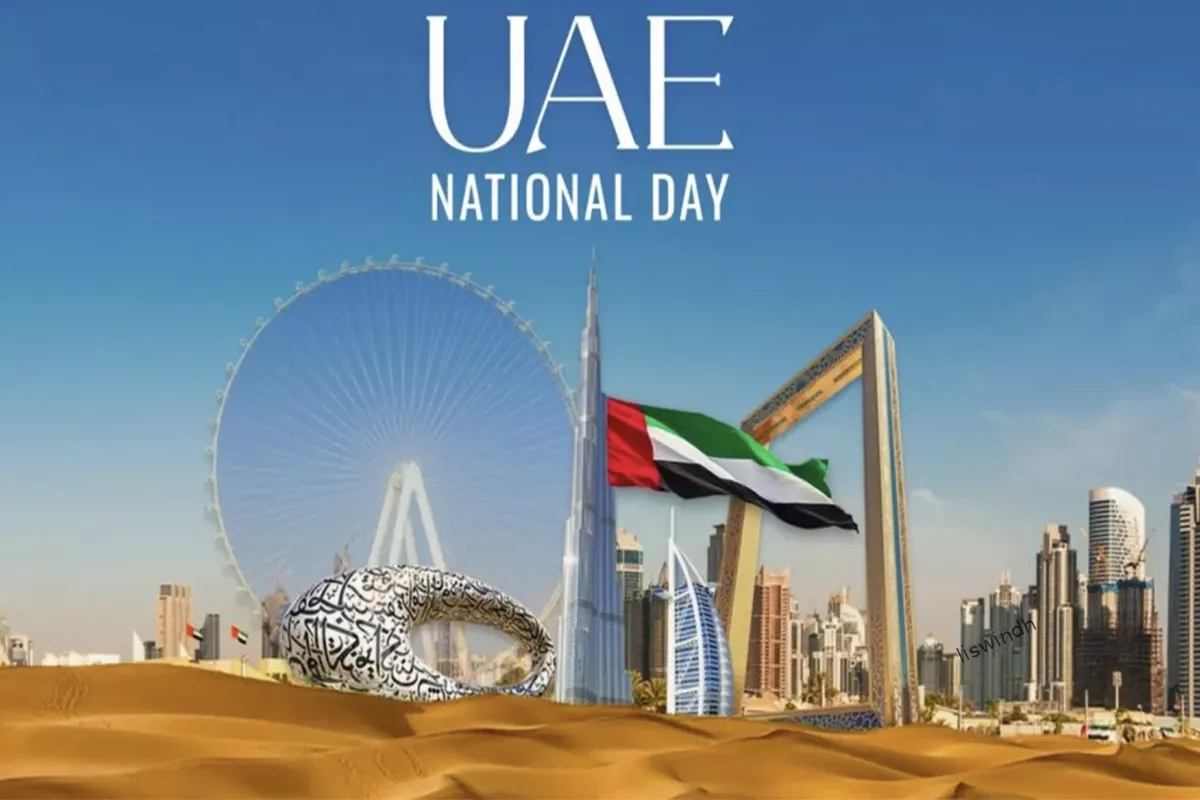
December 2nd marks a date etched in the heart of every Emirati and resident of the United Arab Emirates (UAE)—National Day. This year, as the nation unfurls its iconic red, green, white, and black flag across skyscrapers, desert landscapes, and bustling city streets, we don’t just celebrate another year of existence; we honor a remarkable journey that began in 1971. A journey forged by the vision of seven rulers, rooted in deep Islamic traditions, enriched by a vibrant cultural tapestry, and defined by unyielding unity. From the historic unification to today’s grand celebrations, from sacred religious customs to beloved national observances, let’s delve into the soul of the UAE on this momentous occasion.
The story of the UAE’s National Day is the story of courage, collaboration, and collective ambition. Prior to 1971, the region known as the Trucial States consisted of seven autonomous sheikhdoms under British protection, each with its own small security forces and local governance. As British colonial rule drew to a close, the leaders of these emirates—Abu Dhabi, Dubai, Sharjah, Ajman, Umm Al-Quwain, Fujairah, and Ras Al-Khaimah—recognized that their strength lay in unity. On December 2, 1971, they came together to sign the interim constitution, officially establishing the United Arab Emirates as a federal constitutional monarchy. Ras Al-Khaimah joined the federation a year later, completing the seven-emirate union that stands strong today.
This historic unification was led by the UAE’s founding father, Sheikh Zayed bin Sultan Al Nahyan, who later became the first President of the UAE. His vision of a nation built on solidarity, tolerance, and progress laid the foundation for everything the UAE is today. The federal structure, unique in the region, grants each emirate significant autonomy while uniting them under common foreign and defense policies, with the Federal Supreme Council—composed of the ruling sheikhs of each emirate—as the highest governing body. This council selects the President and Vice President every five years, a tradition that has ensured stability for over five decades.
Today, the UAE is led by President Sheikh Mohammed bin Zayed Al Nahyan, the third son of Sheikh Zayed, who assumed office in 2022 following the passing of former President Sheikh Khalifa bin Zayed Al Nahyan. The unity of the seven ruling families remains the backbone of the nation’s success, with the iconic imagery of the seven sheikhs coming together—shaking hands, signing agreements, and standing side by side—symbolizing the unbreakable bond that turned a desert region into a global powerhouse.
Islam is not just the official religion of the UAE; it is the moral and cultural bedrock of the nation. Enshrined in Article 7 of the UAE’s permanent constitution (adopted in 1996, replacing the 1971 interim constitution), Islamic Sharia serves as the main source of legislation, shaping everything from family law to ethical business practices. The majority of Emiratis are Sunni Muslims, while Dubai has a significant Shia population, and this religious diversity within the Islamic faith is celebrated rather than divisive.
What sets the UAE apart in the Middle East is its unwavering commitment to religious tolerance. Despite being an Islamic nation, it welcomes people of all faiths, with churches, temples, and gurdwaras coexisting peacefully alongside grand mosques. This tolerance is not a modern afterthought but a core value, reflecting the teachings of Islam that emphasize kindness, respect, and coexistence. During the holy month of Ramadan, the UAE transforms into a haven of generosity: mosques distribute free meals to the community, businesses adjust their hours to accommodate fasting Muslims, and even non-Muslims join in the spirit of reflection and charity. The end of Ramadan is marked by Eid Al-Fitr, a three-day national holiday where families gather, exchange gifts, and share feasts—a celebration that unites the entire nation, regardless of background.
The UAE’s culture is a fascinating blend of ancient Bedouin heritage and cutting-edge modernity, preserved with pride even as the nation leads in innovation. At its core are traditions shaped by the desert lifestyle of its ancestors: hospitality that sees guests offered dates and Arabic coffee as a sign of respect, traditional dances like the Ayala (a folk dance performed by men with swords and drums), and crafts such as weaving, pottery, and camel leatherwork. The national animal, the Arabian oryx—once extinct in the wild and revived through conservation efforts—and the national flower, the vibrant marigold, are enduring symbols of the nation’s connection to its natural and cultural roots.
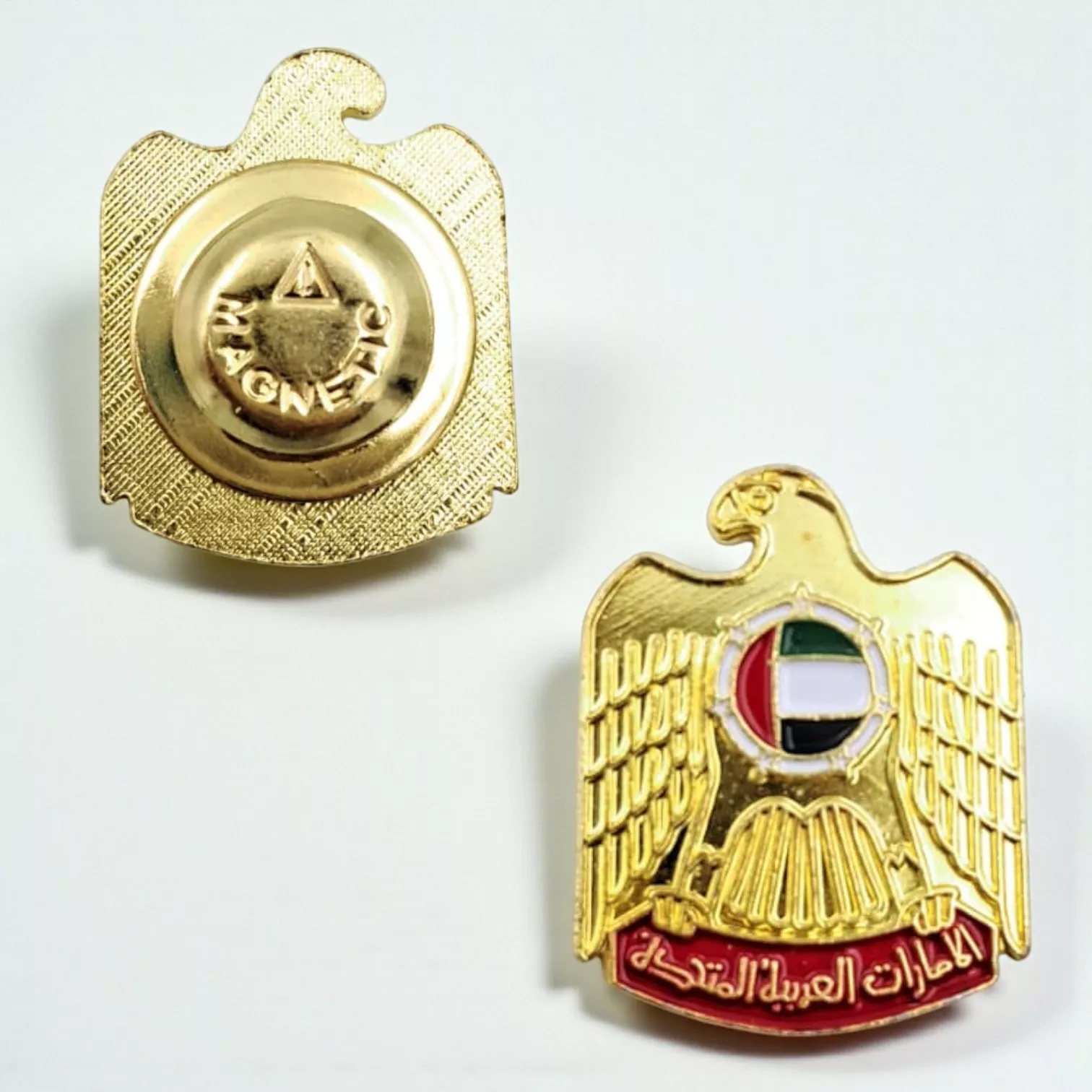
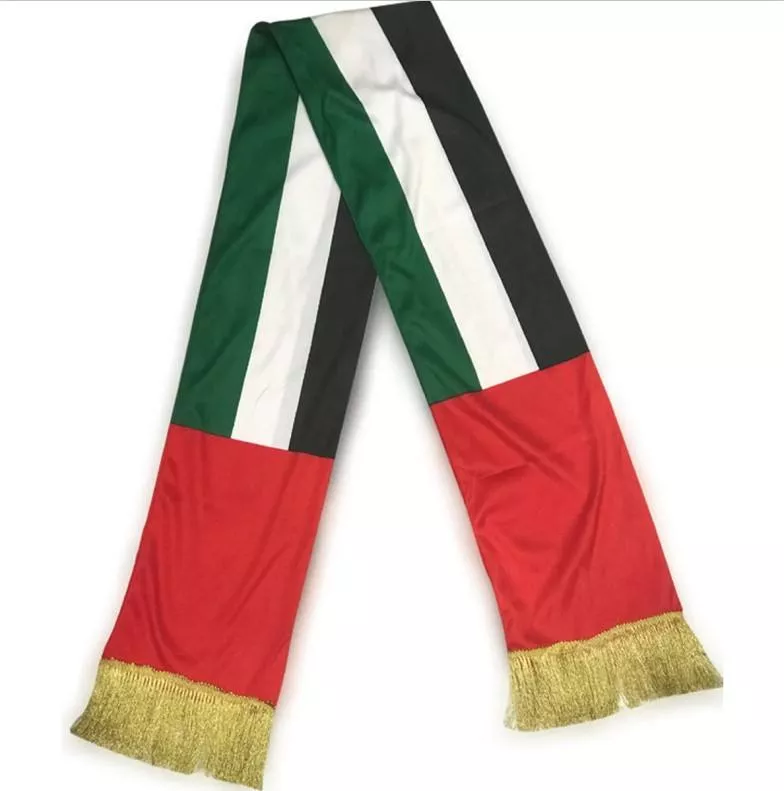
This cultural heritage is beautifully reflected in the UAE’s national symbols. The flag, first raised on December 2, 1971, carries profound meaning: red represents courage, green symbolizes hope, white stands for honesty and purity, and black denotes strength and the rejection of injustice. The national emblem, featuring a golden falcon protecting a shield with a dhow (traditional Arabic sailing boat) and seven stars (representing the seven emirates), pays homage to the nation’s maritime history and unity. Even the national anthem, Ishy Bilady (Long Live My Country), composed in the 1970s, echoes the pride and devotion of the Emirati people to their homeland.
Yet, the UAE’s culture is not stuck in the past. It is a dynamic force that embraces modernity while honoring tradition. From the futuristic skyline of Dubai to the cultural district of Saadiyat Island in Abu Dhabi (home to the Louvre Abu Dhabi and the upcoming Guggenheim Abu Dhabi), the nation celebrates art, innovation, and global culture. This blend is what makes Emirati identity so unique—one can witness a traditional camel race in the morning and attend an international music concert in the evening, all while staying rooted in the values of family, community, and respect.
While December 2nd is the crown jewel of the UAE’s national calendar, several other important holidays reflect the nation’s values, history, and respect for its people. These observances strengthen national unity and honor the contributions of different segments of society:
- UAE Flag Day (November 3rd): More than just a day to fly the flag, this annual occasion commemorates the inauguration of late President Sheikh Khalifa bin Zayed Al Nahyan and honors the founding fathers’ sacrifices for the nation. Across the country, schools, businesses, and homes host flag-raising ceremonies, citizens wear clothing in the flag’s colors, and lectures and competitions educate the public about the flag’s history and symbolism. It is a day of renewed patriotism, reminding everyone that the flag is a symbol of justice, peace, and stability.
- UAE Soldiers’ Day: A heartfelt tribute to the men and women of the UAE’s armed forces, this day honors their dedication to protecting the nation’s sovereignty and security. Since the formation of the Federal Defense Forces in 1971 (later renamed the Federal Armed Forces), the military has played a crucial role in maintaining stability, with the President serving as the Commander-in-Chief. The day is marked by parades, ceremonies, and public expressions of gratitude for the soldiers’ service and sacrifice.
- UAE Women’s Day: Celebrated annually, this holiday recognizes the pivotal role of women in the UAE’s development. From education and healthcare to business and government, Emirati women have achieved remarkable milestones, thanks to the nation’s commitment to gender equality. The day features events, workshops, and awards that highlight women’s achievements and inspire future generations, reflecting the UAE’s vision of a society where everyone has the opportunity to thrive.
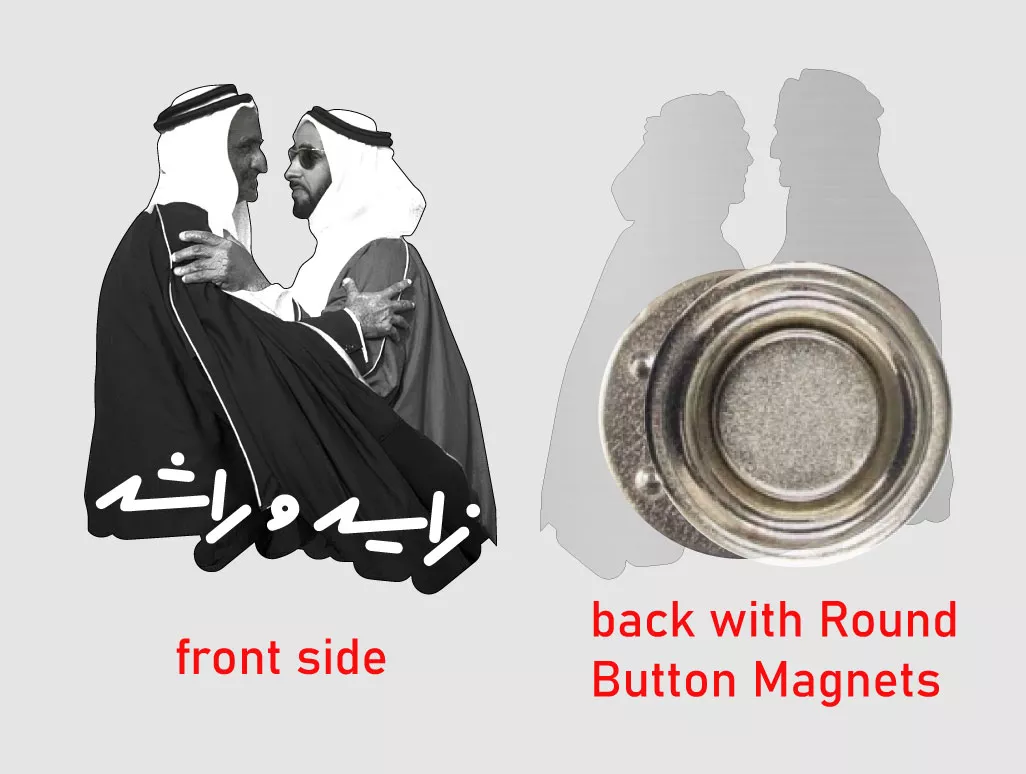
2024 has brought meaningful updates to the UAE National Day with the release of official documents that redefine its celebratory identity. The nation officially renamed National Day to Eid Al Etihad (Festival of the Union), a title that deepens the emotional connection to the core value of unity. The official theme is “Spirit of the Union”, inspired by the vision of founding father Sheikh Zayed bin Sultan Al Nahyan, and the accompanying logo features the silhouette of the founding fathers’ first congregation on December 2, 1971—a powerful visual tribute to the nation’s origin. These elements, paired with the timeless flag colors of red, green, white, and black, have become the cornerstone of this year’s celebratory products and gifts.
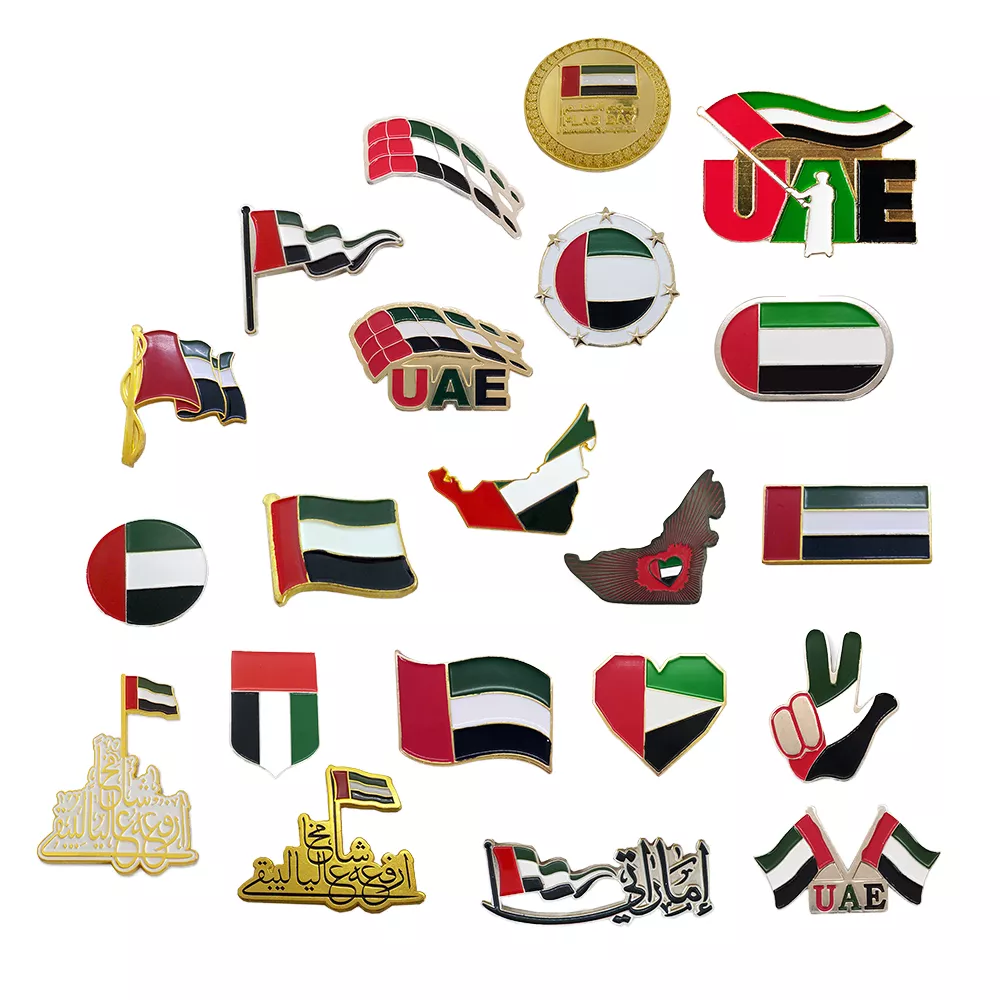
These official elements have spawned a rich array of commemorative gifts that blend sentiment, tradition, and practicality. Custom metal badges are among the most popular items, including magnetic lapel pins featuring Sheikh Zayed and Sheikh Rashid, 6-piece commemorative badge sets, and national brand logo pins. Crafted with soft enamel and sleek plating, these badges are widely used as business gifts, clothing decorations, and collectibles, with customization options available for logos and designs to meet bulk order needs. They serve as subtle yet profound symbols of national pride, worn by citizens, officials, and enthusiasts alike.
Luxury gift boxes are another highlight, merging traditional Emirati elements with modern aesthetics. Bateel’s exclusive gift set boasts a pearl finish, golden plaque with Arabic script “UAE National Day,” and a flag-colored ribbon, filled with premium organic dates and gourmet chocolates. The Zayoshe gift box features a detailed UAE skyline silhouette (including the Burj Khalifa) and elegant Arabic calligraphy, while Myfarmdubai’s celebration box comes with small flags, an incense burner, organic frankincense, and a creative art kit with flag-colored paints. These boxes are perfect for family gatherings, corporate gifting, and school events, bridging cultural heritage with shared joy. Additionally, Emirati heritage assorted chocolate boxes offer a sweet tribute to the nation, wrapping traditional flavors in vibrant flag-inspired packaging.
On December 2nd, the UAE transforms into a sea of national colors, with celebrations that cater to every age and background, blending tradition, entertainment, and community spirit. The atmosphere is electric, with locals and expatriates alike joining in the festivities to honor the nation’s journey.
Flag Displays and Decorations: Every corner of the country comes alive with the UAE flag. Skyscrapers like the Burj Khalifa light up in red, green, white, and black, cars sport flag decals, and homes and businesses hang large flags from their balconies and entrances. The sight of the flag waving proudly across the desert, beaches, and cityscapes is a powerful reminder of the nation’s unity. The 11th edition of the flag garden at Jumeirah Beach even displays 11,600 UAE flags to honor the founding fathers.
Fireworks and Grand Shows: Fireworks are a staple of National Day celebrations, with iconic venues like Abu Dhabi’s Corniche and Dubai’s Burj Al Arab hosting spectacular displays synchronized with music and laser shows. These shows paint the night sky with the nation’s colors, creating unforgettable moments for families gathered to watch. Official ceremonies, like those held at ADNEC (Abu Dhabi National Exhibition Centre), take visitors on a journey through the UAE’s history, featuring breathtaking performances, cutting-edge technology, and storytelling that honors the nation’s pioneers and future ambitions.
Concerts and Cultural Events: Renowned local and international artists take the stage across the emirates, performing traditional Arabic music, pop, and folk songs. In Abu Dhabi, iconic venues like Qasr Al Hosn host concerts by beloved Emirati singers such as Hussain Al Jassmi and Hamad Al Ameri, drawing large crowds of music lovers. Cultural events, including traditional dance performances, poetry recitals, and craft markets, showcase the UAE’s heritage, allowing visitors to immerse themselves in Emirati culture.
Community and Generosity: National Day is also a time for giving back, reflecting the UAE’s culture of hospitality and charity. Malls offer special National Day sales, community centers organize family-friendly activities, and many establishments distribute free food and gifts to residents. The “Postcards from Abu Dhabi” campaign even invites people to share their National Day memories, fostering a sense of community and connection.
Beyond the parades, fireworks, and celebrations, UAE National Day holds a deeper meaning that resonates with every person who calls this nation home. It is a day to reflect on the extraordinary progress the UAE has made in just over five decades—from a desert region to a global hub for business, tourism, innovation, and education. It is a day to honor the vision of the founding fathers, whose unity turned impossibilities into realities. It is a day to celebrate the UAE’s unique identity—a nation that honors its Islamic roots, preserves its Bedouin heritage, and embraces diversity with open arms.
More than anything, December 2nd is a day of unity. It unites the seven emirates, the Emirati people, and the millions of expatriates who have contributed to the nation’s success. It reminds us that the UAE’s greatest strength is not its skyscrapers or its wealth, but its people—united by a shared vision of progress, tolerance, and pride in their homeland.
As the fireworks light up the sky this National Day, and the sound of the national anthem fills the air, let us raise a glass (of Arabic coffee, of course) to the UAE. To its past, its present, and its bright future. Happy National Day, UAE! Long live the union!